Stuff in Space

January 2023 NOTE: The Stuff in Space website has moved.  The link to the site has been updated.

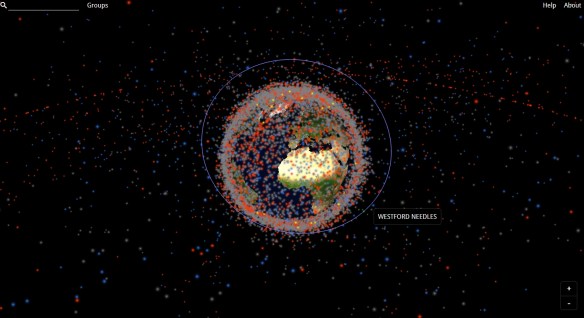
Stuff in Space is a “real-time 3D map of objects in earth’s orbit”, including satellites and debris. This map uses data from Space-Track.org, a website operated by the U.S. Department of Defense. On this map, different kinds of “stuff in space” are color-coded: red for satellites, blue for rocket bodies, and grey for debris. Visitors may also explore different groups of space objects, which include maps of all Global Positioning System (GPS) satellites and their orbits and a map of the debris created by the 2009 collision of the satellites Iridium 33 and Kosmos 2251.  Check it out!
stuffinspace

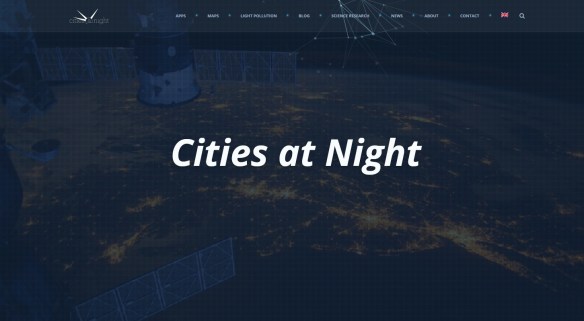
Cities at Night

Astronauts on board the International Space Station (ISS) take hundreds of night-time pictures each year of cities around the globe. Cities at Night is a “citizen science project that aims to create a map, similar to Google maps, of the Earth at night using night-time color photographs taken by astronauts onboard the ISS.” Check out the photographs that have been geo-referenced to the Earth, or join in and help the project team geo-reference new photographs!

citiesatnight

Useless FCC Broadband Map

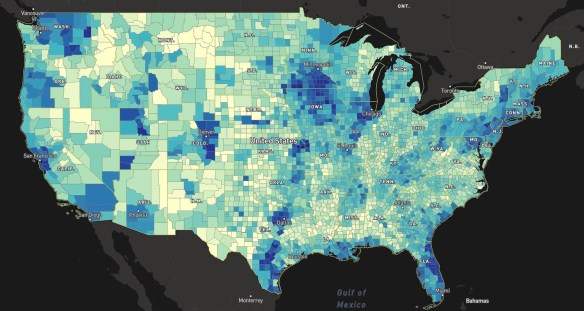
In February the FCC released their new broadband map showing the availability of high-speed internet in the US.  Many of you might remember their previous map which turned out to be completely useless.  Well … this new one seems to be about the same, not matching the reality on the ground.  Click below to read more about the story.

fcc-broadband

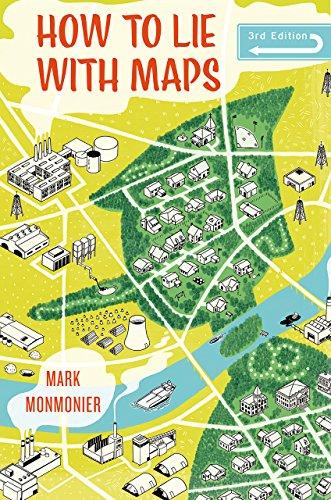
A great example of how to lie with maps.  Hey!  There’s a book about that!  You should get it, it’s a great book.

9780226435923-us

ArcGIS Offline Data Collection Without a Named User

Use ArcGIS Server?  Want to edit data out in the field with disconnected editing capability but don’t want to be forced into the ArcGIS named user model just to use Collector?  Webmapsolutions.com might have an answer for you!  They have built an offline-enabled ArcGIS data collection app which works with ArcGIS Server (no named user required), but can also work with Portal and ArcGIS Online!  Check it out.

one

LARIAC5 Imagery

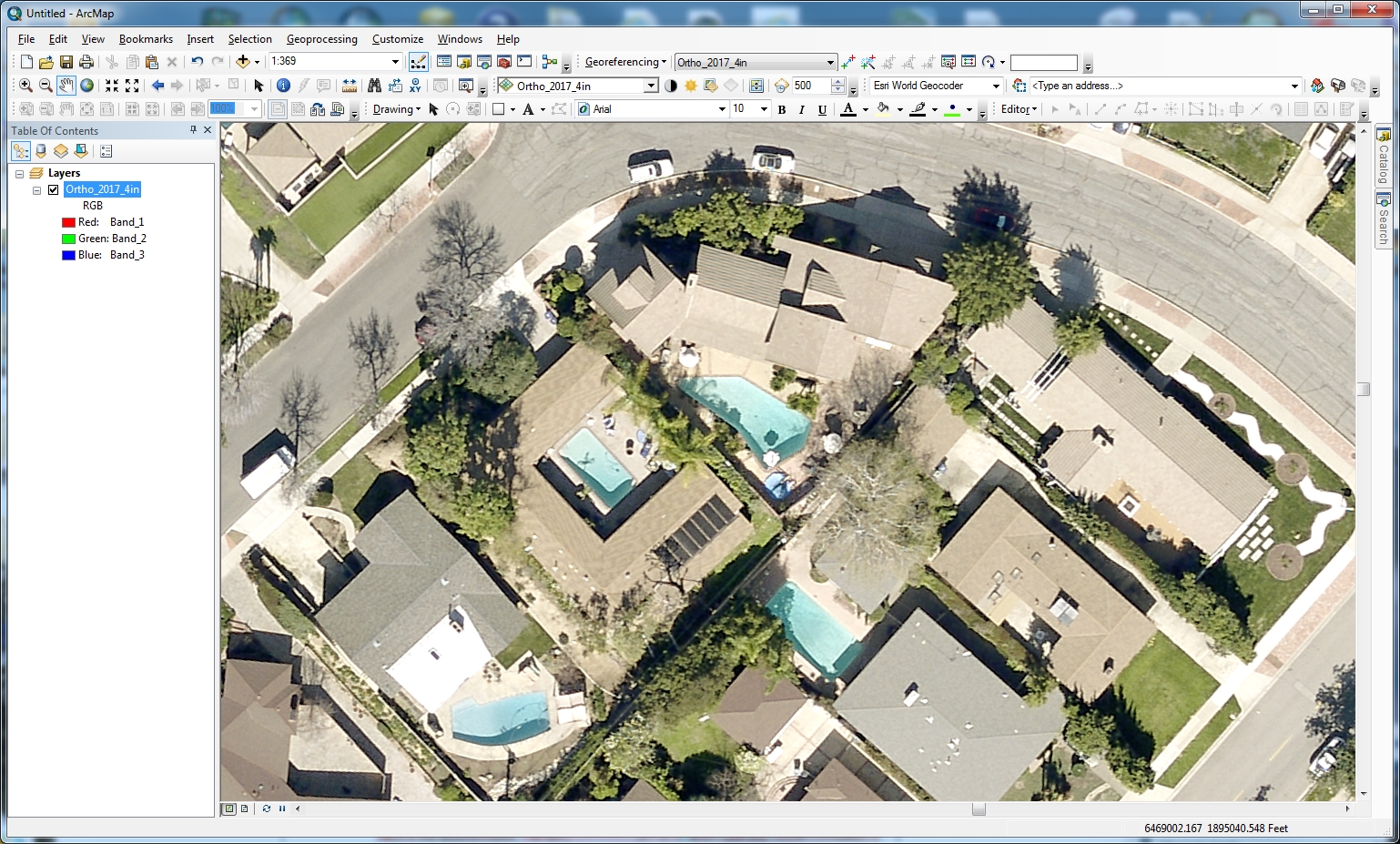
Burbank received the LARIAC5 2017 imagery and I must say it looks great!  Click to enlarge.

lariac5a

lariac5c

Also, this time around the imagery has 4 bands, band 4 being near infrared, so you can display color infrared (CIR) to make the vegetation pop.  Just set the Red band to 4, the Green band to 1, and the Blue band to 2:

lariac5b

lariac5d

Very cool.  Great job LA County!  -mike

Extracting MORE Features from Map Services

Back in August 2015 I posted information about how you can extract features from a map service.  Since then, I have had many contact me about modifying the code so it can extract features beyond the record limit set in the map service.  So today I decided to work on one that does!

To test the script, I headed over to the map services provided by the State of California GIS.  Specifically, the one for wildfires:

http://services.gis.ca.gov/arcgis/rest/services/Environment/Wildfires/MapServer

When you scroll down a quick look will reveal that there is a maximum record count of 1000:

extractpt2-1

Continue reading →

USGS Water Resources and Land Change Information

The USGS Library provides reference services and instructional sessions to library users on finding print, digital, and online library materials. They are offering two webinars.

The first will focus on how to find and use information sources and products related to water use, surface water, groundwater, water quality, floods, droughts, and hurricanes (data, databases, publications, maps, and field and laboratory methods).  Click here for more info and to register.

The second will focus on how to find and use information sources and products related to long-term and short-term land changes from natural-hazard events, land-use change, and example reference inquiries related to finding current and historical land information.  Click here for more info and to register.

Both webinars will also cover education tools available from the USGS and other geoscience stakeholders.