PostGIS version 2.2.1 was released today, which is a patch to version 2.2. The focus is on bugs, breakages, and performance issues. The release includes many fixes for topology.


PostGIS version 2.2.1 was released today, which is a patch to version 2.2. The focus is on bugs, breakages, and performance issues. The release includes many fixes for topology.
Happy New Year! For all of you that got remote controlled flying machines for Christmas, you might want to check out these apps that show you where you can and cannot fly your shiny new toy!
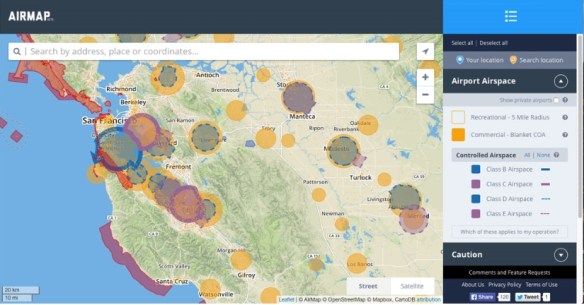
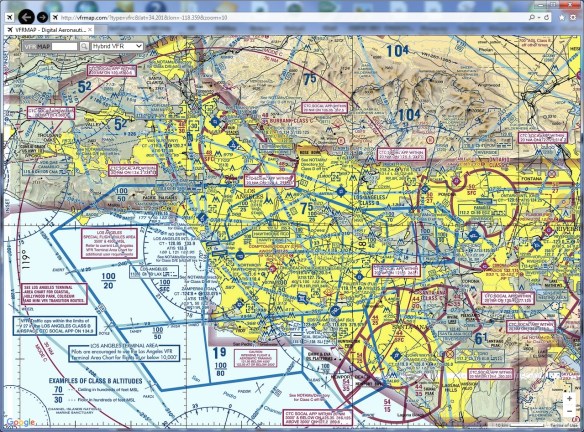
And if you are in the LA Basin area, please stay out of the controlled airspace when I am flying around … its a mess!
Geographic masking is the deliberate alteration of locational data to preserve the privacy or integrity of the data being displayed or analyzed. For example, the locations of the nests of endangered bird species may be publicly posted on a web site, but the availability of this data could create inappropriate visits that could disturb or endanger the birds, and so should be masked.
This GITA sponsored webinar on January 20th will discuss masking in the context of geospatial privacy, a topic of great national concern in the era of social media and Wikileaks. Most of the methods in current use will be discussed, along with their advantages and disadvantages. How the methods are implemented and what impact they have on geographic and spatial analysis are explored.
Start the new year off right by attending a few GIS conferences. Check out our GIS Conferences page to see what is in store the first half of 2016 in California!
If you are into creating your own apps that run on many platforms, then AppStudio for ArcGIS might be for you. ESRI has release version 1.0 and some of the highlights are:
For more info and to try AppStudio, see their blog post here.
ESRI has announced that ArcGIS 10.4 prerelease software for Desktop, Server, and Engine is now available for you to download, install, and test. They do stress it is for testing purposes only, so I would not use it in production.
Some highlights are vector tile layers, Portal for ArcGIS Map Viewer includes analysis tools, and improved enterprise readiness with ArcGIS Server and Portal. Also, ArcGIS Pro 1.2 is currently in beta. For more info about the release, see their blog post here.
UPDATE 2/22/2016: The ArcGIS 10.4 release is now available.
If you are planning on giving that wonderful flying machine to someone for Christmas, make sure they know that there is a string attached. The owner – whether it’s a new purchase or a drone that’s been flying for years – will have to register a name, a physical address and an email address with the FAA. Existing owners will have to register by February 19, 2016, and new flyers will have to register before their first flight.
You are required to register a drone if it weighs more than 9 ounces. Registration opens December 21 and is free through January 20 (the credit card transaction will confirm the owner’s identity and the fee will be refunded). After that, the FAA will charge $5 for registration. You must be at least 13 years old to register, or someone older must register for you. The registration is good for 3 years.
Oh, and the registration rule excludes “paper airplanes that are not linked to a system”, so a paper airplane that weighs more than 9 ounces does not need to be registered unless it has a motor and remote attached!
And the FAA plans on enforcing their rule. “Failure to register an aircraft can result in civil penalties up to $27,500,” the rule states. “Criminal penalties for failure to register can include fines of up to $250,000”.
Merry Christmas kids!

A scientist from NASA’s JPL in Pasadena says the long-awaited effects of El Niño will be felt soon in Southern California. Break out your kayak!
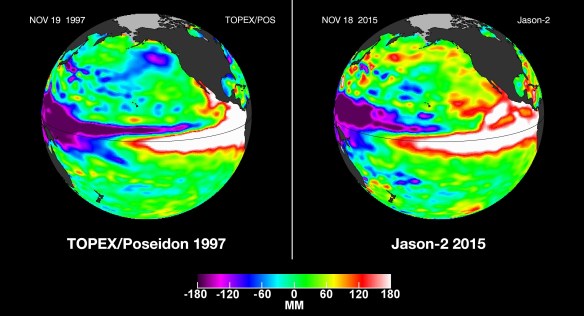
Yes, El Niño is on it’s way to Southern California. This particular one will bring a colder than normal December along with above average rainfall. The following article states that this December it will start out dry, but the back to back storms will increase as the month goes on. The storms are projected to be between December 17-20 and the next set before or on Christmas. Click below to read more.

Google Maps is now available offline. That means on your Android you can select an area to download from your phone and use it to navigate offline in areas that you don’t get good coverage in. And better yet, Google Maps can switch seamlessly between offline and online. Click here to read more.

 SoCalGIS.org