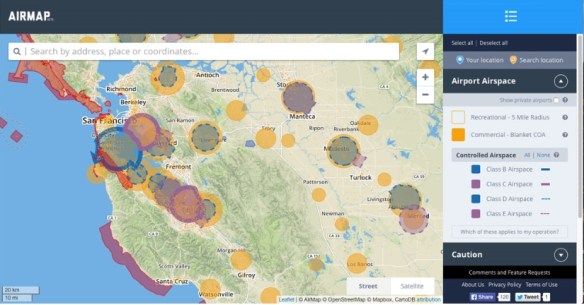
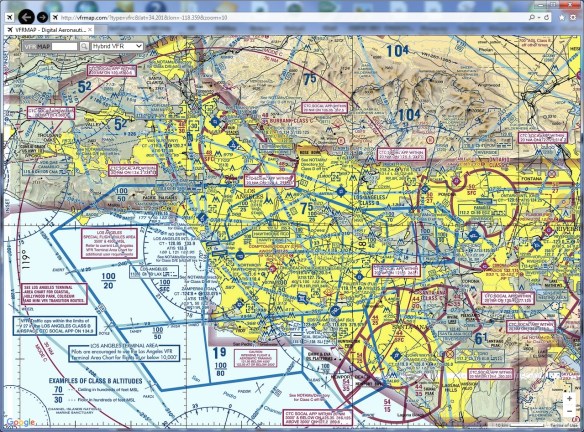
LA and ESRI Launch LA GeoHub

Join the City of Los Angeles and ESRI via livestream on Friday, January 29, at 11 a.m. PST for an introduction of the L.A. GeoHub, a collaborative citywide data and application portal. Los Angeles Mayor Eric Garcetti and ESRI President Jack Dangermond will unveil GeoHub, built on ArcGIS, and explore the ways GeoHub empowers city employees, citizens, businesses, and NGOs to make better decisions using authoritative real-time data and map-based tools that support a thriving, dynamic community.

You can watch the livestream and the rebroadcast on YouTube.  Also take a look at the City of Los Angeles GeoHub.
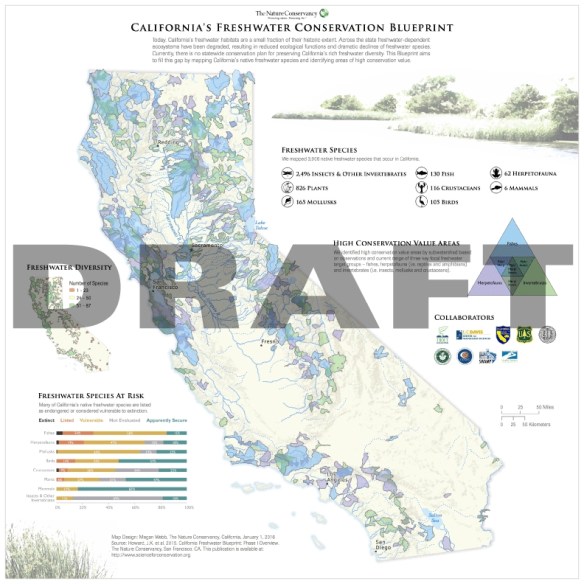
Guerrilla Cartography Maps for Review

In the spirit of academic peer review, Guerrilla Cartography invites its global peer community to review the maps submitted to Water: An Atlas.  Share your questions, thoughts, and impressions to improve their global cartographic movement.

Guerrilla Cartography is a loose band of cartographers, researchers, and designers intent on widely promoting the cartographic arts and facilitating an expansion of the art, methods, and thematic scope of cartography, through collaborative projects and disruptive publishing.

wateratlasmaps

IGNITE – Create the M.App of the Future

Hexagon Geospatial has launched a global competition, IGNITE, to plan and build an innovative Hexagon Smart M.App, a cloud based dynamic information experience that transforms geospatial information into 360° business analytics and meaningful visualizations. The Hexagon Smart M.App provides the understanding that leads to world-changing solutions.

You may submit ideas in any of the six core challenge themes – Finance, Food, Safety, Infrastructure, Health, and Conservation.

IGNITE Challenge Phases:

1. Ideation Phase
2. Execution Phase

Timeline: The last date for registration for the ideation phase is May 1, 2016. Top 20 finalists from the ideation phase will then be selected for the execution phase where they will have approximately 3 months, until August 31, 2016, to build their Hexagon Smart M.App.

Prize Details: The top 3 finalists of the execution phase will be awarded cash prizes of $100K, $50K and $25K for 1st, 2nd and 3rd place winners. The remaining 17 finalists will each receive $5,000 prizes for their submissions.

Visit the IGNITE challenge page to find out more and to register as an innovator, either as an individual or as a team. No entry fee is required.

Mapbox Vector Tiles Supported in OpenGeo Suite

Boundless, a provider of open source geospatial software and services, recently announced the upcoming version of their OpenGeo Suite will support the output of vector tiles, including the popular open source Mapbox Vector Tiles (.mvt) format. The next version of OpenGeo Suite is expected to be released by the end of January, and will include an updated instance of GeoServer which supports output in vector tile formats.  Click here for more info.

ESRI MOOC: Do-It-Yourself Geo Apps

ESRI is hosting a Massive Open Online Course (MOOC) on building your own Geo Apps.  They state:

You don’t have to be a software developer to build valuable geo-enabled apps that make your communities smarter and businesses more successful. This course will show you how to combine location and narrative in one application to better communicate and broadcast your story, create custom web applications that solve problems in your community, and build powerful native applications for iOS and Android devices without touching a piece of code. If you are a developer, you’ll be interested in Esri’s APIs, SDKs, and the buzzing GeoDev community.

The course includes:

  • Hands-on exercises, short video lectures, quizzes, polls, and discussion
  • 4 week course with 7 sections open throughout the course, 1-2 hours of study per section
  • Certificate of completion and awards

You will be exposed to application templates and test drive Web AppBuilder and AppStudio.  The free online course runs from February 3 to March 3, 2016.  Check it out and sign up!

Data Masking and GIS

Geographic masking is the deliberate alteration of locational data to preserve the privacy or integrity of the data being displayed or analyzed. For example, the locations of the nests of endangered bird species may be publicly posted on a web site, but the availability of this data could create inappropriate visits that could disturb or endanger the birds, and so should be masked.

This GITA sponsored webinar on January 20th will discuss masking in the context of geospatial privacy, a topic of great national concern in the era of social media and Wikileaks.  Most of the methods in current use will be discussed, along with their advantages and disadvantages.  How the methods are implemented and what impact they have on geographic and spatial analysis are explored.