The National Map Corps

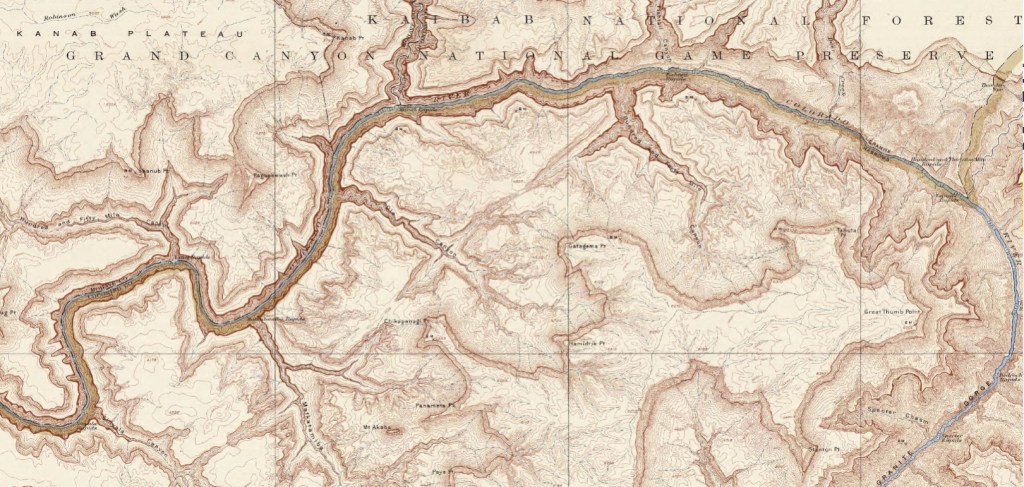
The National Maps Corps is an online crowdsourcing mapping project with volunteers successfully editing structures in all 50 States, Puerto Rico, and the U.S. Virgin Islands. Structures include schools, hospitals, post offices, police stations, cemeteries, and other important public buildings. By updating and verifying structures data, volunteers are making significant contributions to USGS National Structures Database, The National Map, and ultimately US Topo Maps.

If you have some time, why not do a little data editing? Click below and check it out.

Aerial Photographs Tutorial

This FREE crash course (tutorial) will teach you a basic understanding of how to use and interpret historical aerial photographs (air photos). 

This tutorial is designed to be used by adults including undergraduate students.  The tutorial is a serious endeavor created to teach you something; it is not a site for pretty pictures.

The tutorial is broken into 2 parts — introductory text and quizzes.  The introductory text can be completed in approximately 30 minutes.  The quizzes are skill-building exercises and can be completed in 30 to 45 minutes.

In this tutorial you will learn: 

  • To think in a logical order when trying to find and examine aerial photographs 
  • To understand the 5 basic questions to always ask when examining aerial photographs 
  • About The Colorado Time Machine aerial photograph collection at the Arthur Lakes Library, Colorado School of Mines 
  • To understand the potential and limitations of aerial photographs 
  • Introductory techniques to interpret human activities shown on aerial photographs 

Start learning about air photos!  https://mines.libwizard.com/f/airphotos_2 

Think you already know a lot about aerial photographs? 

Go directly to the quizzes!  https://mines.libwizard.com/f/airphotos_2/p/21 

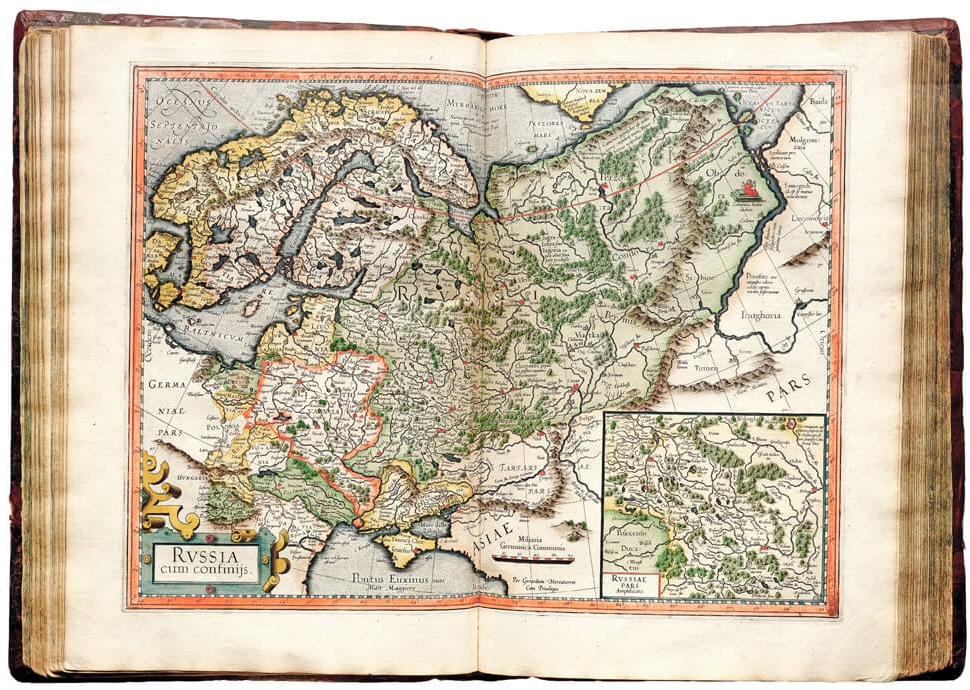
Mercator’s World

Geographical maps are a mirror of what we know about the world around us. Few individuals contributed more to the map making field than cartographer Gerardus Mercator. Check out this site that examines Mercator’s map making breakthroughs and mistakes, while also recognizing his lasting legacy. We still use Mercator’s projection for making nautical and aeronautical charts!

A Better Election Map

Since this is Election Day, I thought I would find something on election maps and cartography. I found this article from the New York Times. Politics aside, they do show how you can make a better election map using cartographic and color techniques. Check it out!

Also check out this interesting historical map at the Library of Congress on Presidential Elections from Washington (1789) up to Hayes (1876). Some of the history of the elections on the map are very interesting:

“Disputes arising in February, over the votes of South Carolina, Florida, Louisiana and Oregon, they were referred to, and decided by a Commission appointed for that purpose.”

“The votes of Arkansas and Louisiana were not counted in February, on account of irregularities.”

“Objections made to Wisconsin’s vote in February, were overruled by the Vice-President.”

Click below to see the map in detail.