Mapbox Vector Tiles Supported in OpenGeo Suite

Boundless, a provider of open source geospatial software and services, recently announced the upcoming version of their OpenGeo Suite will support the output of vector tiles, including the popular open source Mapbox Vector Tiles (.mvt) format. The next version of OpenGeo Suite is expected to be released by the end of January, and will include an updated instance of GeoServer which supports output in vector tile formats.  Click here for more info.

ESRI MOOC: Do-It-Yourself Geo Apps

ESRI is hosting a Massive Open Online Course (MOOC) on building your own Geo Apps.  They state:

You don’t have to be a software developer to build valuable geo-enabled apps that make your communities smarter and businesses more successful. This course will show you how to combine location and narrative in one application to better communicate and broadcast your story, create custom web applications that solve problems in your community, and build powerful native applications for iOS and Android devices without touching a piece of code. If you are a developer, you’ll be interested in Esri’s APIs, SDKs, and the buzzing GeoDev community.

The course includes:

  • Hands-on exercises, short video lectures, quizzes, polls, and discussion
  • 4 week course with 7 sections open throughout the course, 1-2 hours of study per section
  • Certificate of completion and awards

You will be exposed to application templates and test drive Web AppBuilder and AppStudio.  The free online course runs from February 3 to March 3, 2016.  Check it out and sign up!

New Book: Designing Better Maps

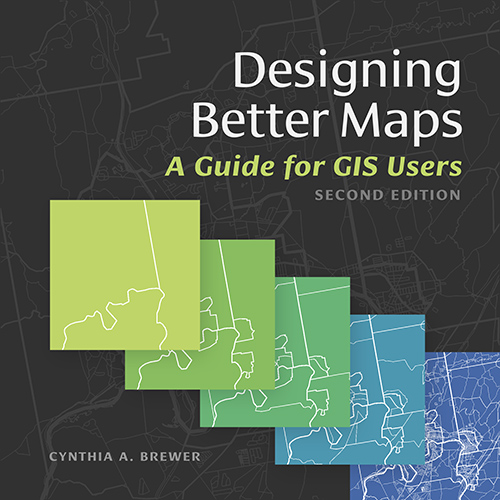
Designing Better Maps: A Guide for GIS Users, second edition, is a comprehensive guide to creating maps that communicate effectively. Author and cartographer Cynthia A. Brewer guides readers through the basics of good cartography, including layout design, scales, projections, color selection, font choices, and symbol placement. Designing Better Maps also describes the author’s ColorBrewer application, an online color selection tool. The second edition includes a new chapter on map publishing.  The book is paperback and 260 pages.

Check out a recent review of the book here.

designingbettermaps_lg

Data Masking and GIS

Geographic masking is the deliberate alteration of locational data to preserve the privacy or integrity of the data being displayed or analyzed. For example, the locations of the nests of endangered bird species may be publicly posted on a web site, but the availability of this data could create inappropriate visits that could disturb or endanger the birds, and so should be masked.

This GITA sponsored webinar on January 20th will discuss masking in the context of geospatial privacy, a topic of great national concern in the era of social media and Wikileaks.  Most of the methods in current use will be discussed, along with their advantages and disadvantages.  How the methods are implemented and what impact they have on geographic and spatial analysis are explored.

Rent or Buy?

Near the beginning of this year, there was a post about renting or owning in SoCal.  From the NY Times, there is this great tool on calculating in more detail if it is better to rent or buy a home.  Here you can enter a home price, how long you plan to stay, mortgage details (rate, down payment, and length), projected future growth rates, taxes, closing costs, maintenance fees, and then in contrast the costs of renting (monthly rate, broker’s fee, renter’s insurance).  With all that info, the site calculates whether it is better to rent or own, as well as where the dividing line might be in terms of renting versus the costs and benefits of owning.  Yes, there is no map like the other tool, but I think this tool helps you make a more informed decision about buying a home instead of renting.  Check it out!

rentown2

California Historical Census

Looking for historical census data for your county or city in California?  You might find what you are looking for at California’s Historical Census Populations of Counties and Incorporated Cities web page.  The report provides total population counts for the state, counties, and incorporated cities in California from 17 decennial US censuses from 1850-2010.  Make sure to read the notes and caveats about the data.